One customer, many channels: how to avoid duplicate leads
The same person writes on WhatsApp, comments on Instagram and fills in a form. Without an omnichannel CRM that becomes three leads and three salespeople.
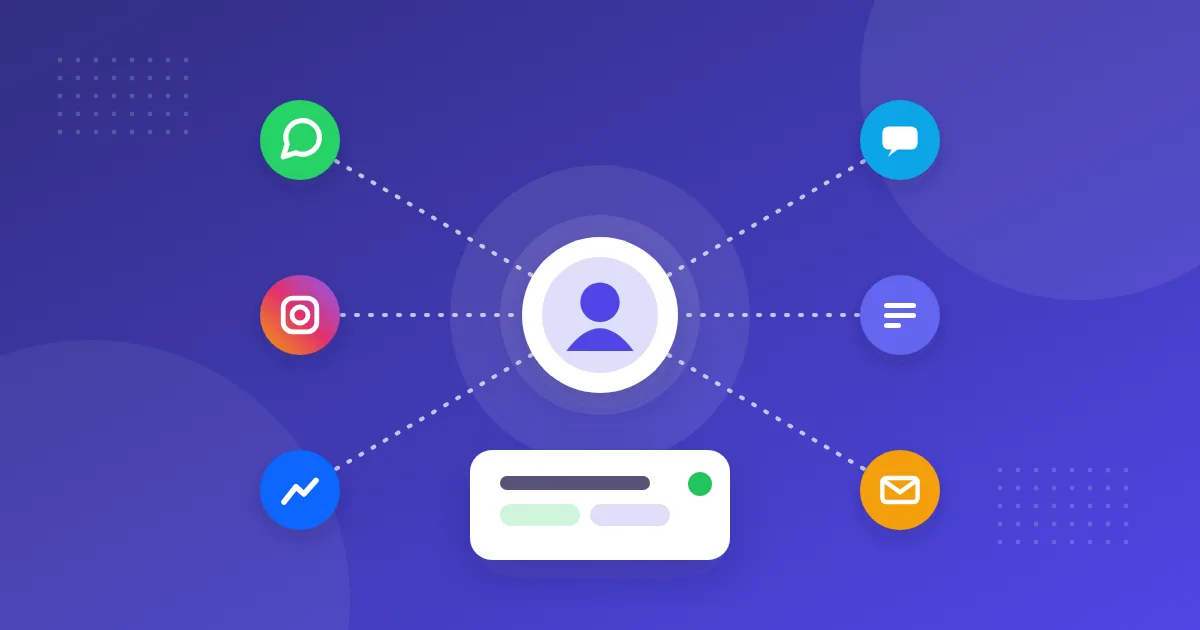
Customers do not think in channels. They write on WhatsApp in the morning, send an Instagram message in the evening and fill in your website form the next day. An omnichannel CRM has to recognise that this is one person.
Why duplicates hurt
- Two salespeople call the same customer with different offers
- Your reports count three leads where there was one
- The history is split, so nobody sees the whole conversation
How OnlyContact keeps one record
Every person has a contact behind their leads. Phone numbers and email addresses are matched automatically: a WhatsApp chat, a form submission and a Facebook lead ad with the same number join the same open lead. On the lead page you see all channels the person used.
Names alone are not reliable, so a matching name on Instagram or Messenger only creates a suggestion. A manager confirms with one click or marks it as a different person.
One owner per customer
New leads are shared in turn among the team, but a known person always goes back to the colleague who already looks after them. If someone leaves the company, their open customers are redistributed automatically.
A closed deal is not the end
When a lead was won or lost and the person writes again months later, a new lead starts, still linked to the same contact and its history.
Tips for clean customer data
- Ask for a phone number or email early, it is the most reliable way to recognise a person
- Check the duplicate suggestions once a week and merge or dismiss them
- Keep notes on the lead, not in private chats, so the whole team sees the history
- Use one pipeline for one kind of sale, so a person is never counted twice
This is especially valuable where customers ask a lot before deciding, such as healthcare and tourism. To get the most out of WhatsApp, read our WhatsApp Business API guide.